Printing and Permanence
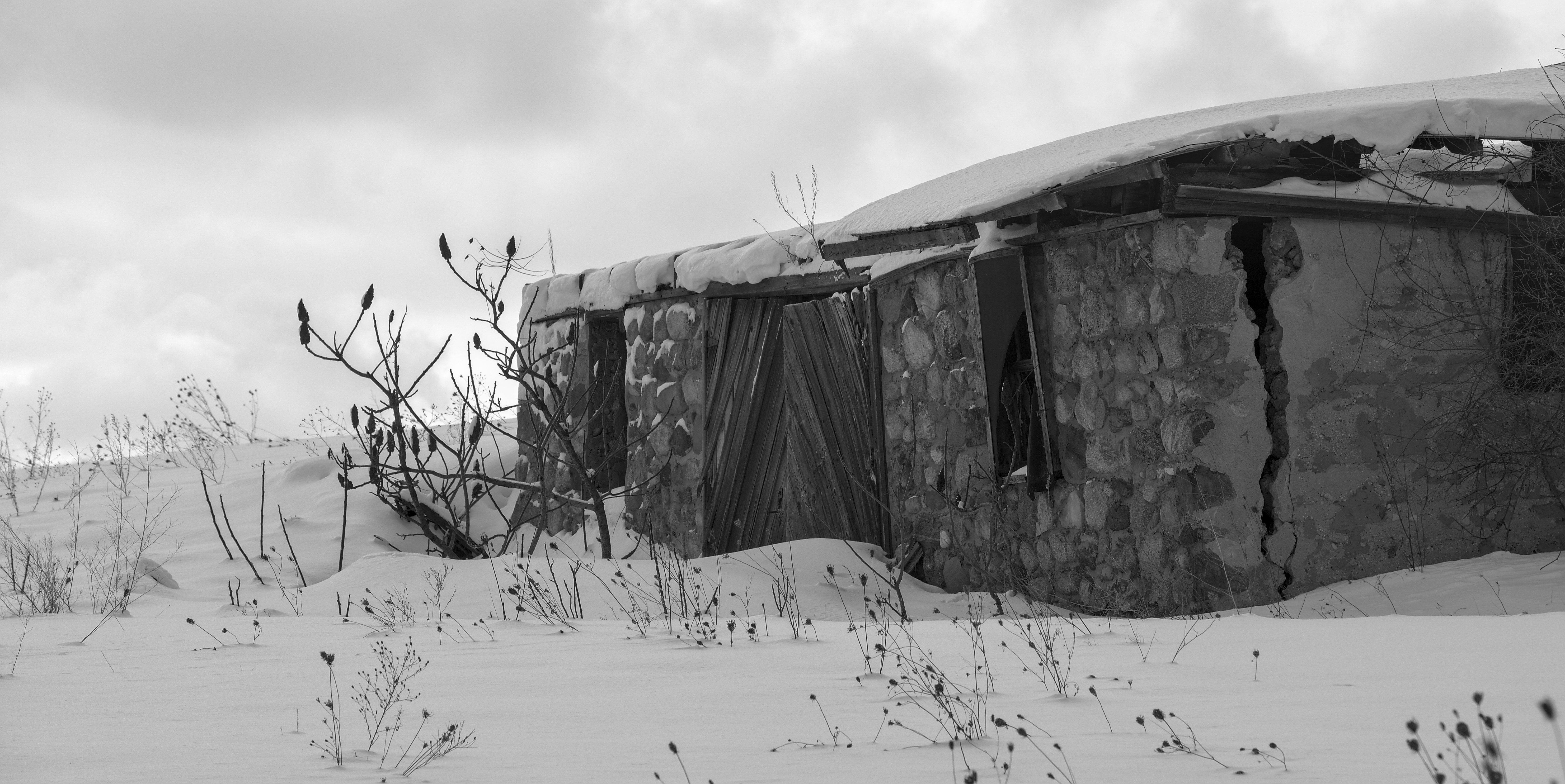
A photograph does not feel complete to me until it exists on paper.
Printing changes the relationship I have with an image. On a screen, photographs are provisional. They can be revised, replaced, or forgotten with little consequence. On paper, a photograph becomes a decision. It occupies physical space. It asks to be lived with. That commitment alters how I evaluate the work long before the print is made.
My connection to printing began long before digital workflows. There is a particular satisfaction in hand-developing 35mm and 120 film. Mixing chemistry, loading reels in the dark, watching an image slowly emerge where there was once nothing. That process teaches patience and trust. You cannot rush it. You cannot endlessly revise it. You make choices, commit to them, and accept the result.
Working in the darkroom reinforces this relationship with time and intention. Making prints the old-fashioned way requires attention at every step. Exposure, contrast, dodging, burning, paper choice. Each decision is physical and deliberate. When the print finally washes and dries, it feels earned. The image is no longer abstract or theoretical. It exists.
That same sense of completion carries into my digital work. While the tools are different, the goal is the same. Making prints at home on my Canon PRO-310 brings the photograph into the physical world with the same sense of care. Fine art paper reveals details and color relationships that screens often hide. Subtle transitions become visible. Texture becomes tactile. The image slows down and settles.
Permanence matters because photographs are too easily treated as temporary. Screens encourage constant revision and constant movement. Nothing settles. Printing introduces a pause. It requires selecting one image, one interpretation, and allowing it to stand without revision. That moment of finality brings clarity. If an image does not hold up in print, it was never finished to begin with.
Paper also slows the viewer. A print does not scroll. It cannot be minimized or dismissed without intention. It invites sustained looking and rewards attention in ways a screen cannot. Subtle tonal transitions, texture, and scale behave differently when light reflects off paper rather than through glass.
This is especially important for the kinds of photographs I make. Quiet images depend on nuance. They rely on balance rather than impact. Printing preserves those qualities by removing distractions and reducing the photograph to what is essential. The work becomes less about immediacy and more about presence.
The act of printing also reinforces restraint. Knowing that an image will exist physically encourages a more careful approach to editing. Excess becomes obvious. Heavy adjustments that might pass unnoticed on a backlit screen reveal themselves immediately on paper. The print holds the photograph accountable.
Permanence does not mean immutability. Prints age. Paper carries time. That is part of the appeal. A photograph that exists physically will change along with the space it inhabits. It becomes an object with its own history rather than a file frozen in a folder.
For me, printing is not so much about nostalgia or tradition. It is about responsibility. Whether the image began on film or as a digital file, choosing to make a print is choosing to stand behind the photograph and allow it to exist without explanation or revision. It is a way of saying that this image is finished, and that it deserves to remain.