On Editing, Restraint, and Knowing When to Stop
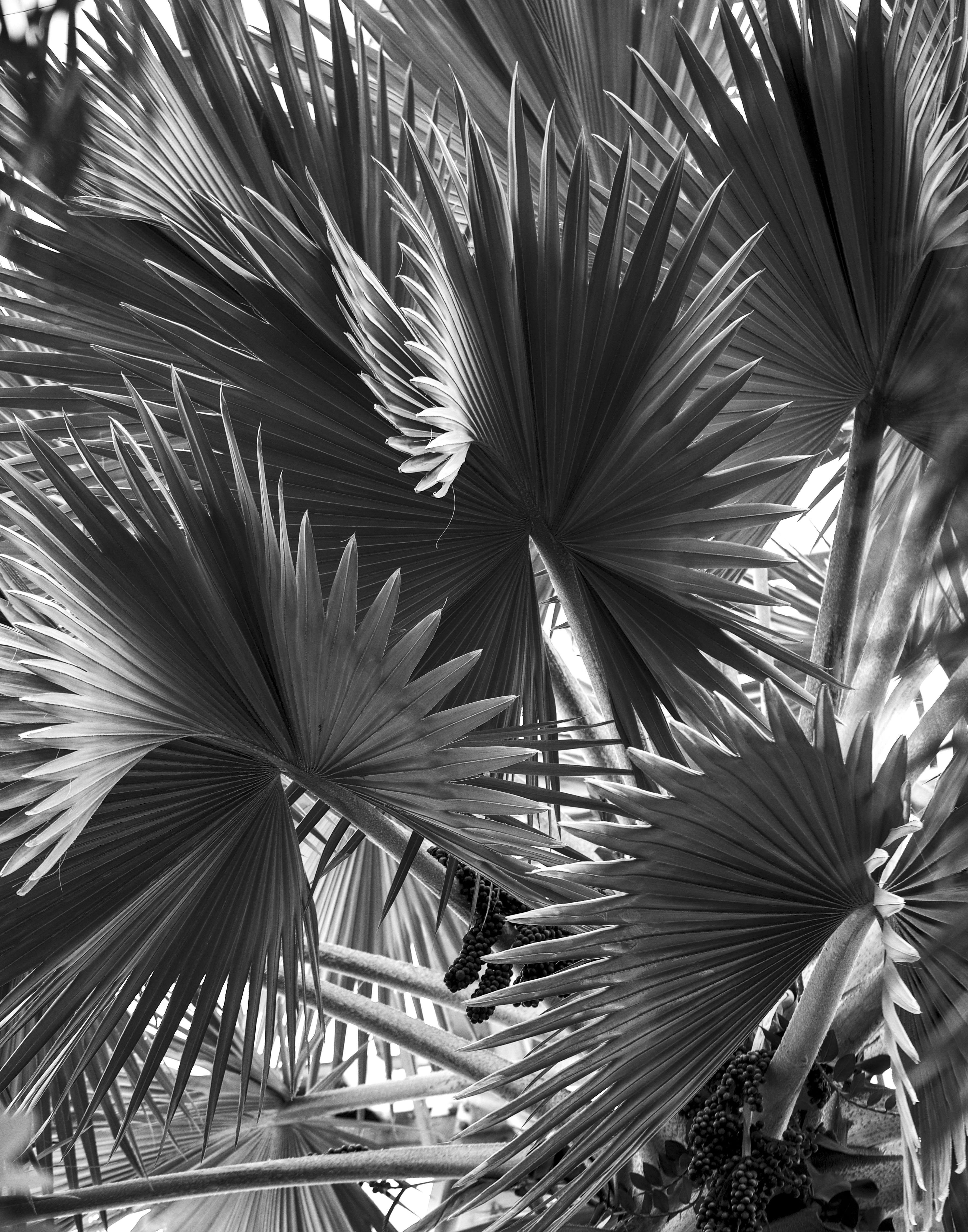
Editing is where most photographs are either clarified or undone.
For me, editing is not about transformation. It is about listening. The photograph already contains its limits, and the work of editing is to recognize where those limits are. Pushing past them rarely improves the image. More often, it replaces observation with intervention.
Restraint matters because photographs are easily overwhelmed. A small adjustment repeated too many times becomes a statement the image never intended to make. Contrast grows heavy. Texture becomes insistent. Mood shifts from quiet to declared. When that happens, the photograph begins to speak louder than the place itself.
Many professional photographers rely heavily on presets, filters, and stylized workflows, and there is nothing inherently wrong with that. These tools can be efficient, consistent, and expressive when used with intention. For my own work, however, I prefer a different approach. I try to leave the original image as intact as possible, placing the emphasis on decisions made in camera rather than decisions deferred to software later.
Getting things right at the moment of capture matters to me. Light, framing, and exposure feel more honest when they are resolved in the field instead of corrected afterward. When I do edit, I work in Darktable (an incredibly powerful Linux application for developing RAW; essentially a more powerful Lightroom equivalent), approaching the process as refinement rather than reinvention. The goal is not to impose a look, but to reveal what was already present.
I do occasionally use custom LUTs created from film stocks I admire, not as shortcuts or stylistic overlays, but as references. They serve as gentle guides rather than prescriptions. Even then, they are adjusted carefully and sparingly. I stay away from one click solutions and heavy handed filters because they tend to replace the character of the photograph with a signature that does not belong to the place or the moment.
I try to approach editing as a process of removal rather than addition. The question is not what can be enhanced, but what can be left alone. What is essential. What is already doing the work without being emphasized. Often the most important decision is choosing not to correct something that feels imperfect but truthful.
Knowing when to stop is the hardest part.
There is always another adjustment available. Another pass that promises refinement. Another small change that suggests control. Editing software makes it easy to continue long after the photograph has said what it needed to say. The discipline is in recognizing the moment when further changes no longer serve the image.
I pay attention to when my edits begin to draw attention to themselves. When the process becomes visible, it is usually time to stop. The goal is not to demonstrate skill, but to remain invisible enough that the viewer can stay with the photograph rather than the technique behind it.
This philosophy extends to what I choose not to remove. Modern elements, signs of use, and visual interruptions sometimes remain because they belong to the place as it exists now. Erasing them would simplify the image, but it would also simplify the truth. Restraint is not only about doing less. It is about accepting complexity without forcing resolution.
A finished photograph should feel settled. Not perfected, but resolved. When an image reaches that point, additional changes tend to introduce restlessness rather than clarity. Learning to recognize that feeling has taken time, and I still get it wrong. But when it works, the result feels honest.
Editing is not the act of finishing a photograph. It is the act of knowing when the photograph is finished.